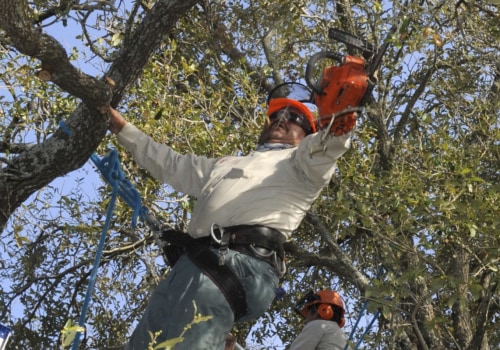
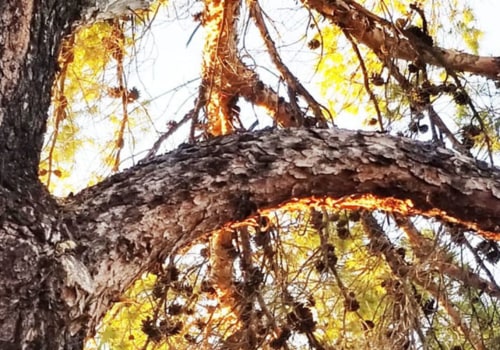
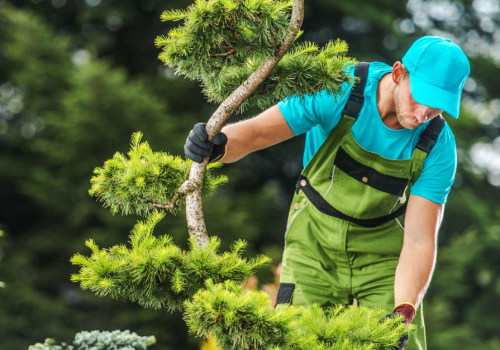
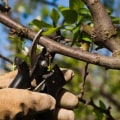
Tree pruning is often viewed as a routine landscaping task that improves the appearance of residential properties, encourages healthy growth, and removes dead or overgrown branches. While these benefits are important, proper tree pruning also contributes to the protection of nearby structures in ways that are often overlooked. Trees grow continuously throughout their lifespan, and without regular maintenance, branches and root systems can begin interacting with roofs, siding, windows, driveways, fences, and utility lines. Overgrown limbs may scrape roofing materials during windy conditions, block gutters, or create pathways for pests to enter the home, while excessive canopy growth can trap moisture against exterior surfaces. Structural engineers appreciate thoughtful tree maintenance because it helps reduce unnecessary stress on building components and supports the long-term durability of the property. Proper pruning is not simply about aesthetics—it is an important part of responsible property management that benefits both the landscape and the structure it surrounds.
Reducing Risks to Structural Components
Trees located near homes are exposed to changing weather conditions throughout the year, including strong winds, heavy rainfall, and seasonal storms. Weak, diseased, or poorly balanced branches are more likely to fail during severe weather, potentially causing damage to roofs, chimneys, windows, gutters, and exterior walls. Even smaller branches that repeatedly contact a structure can gradually wear away protective roofing materials or exterior finishes, increasing the likelihood of moisture intrusion. Professional tree pruning removes hazardous limbs before they become safety risks while improving the overall balance and stability of the tree. It also helps maintain appropriate clearance between vegetation and the home, allowing better airflow and reducing the accumulation of moisture that can contribute to wood deterioration or mold growth. Companies such as Open Concept Engineering recognize that preserving structural integrity extends beyond the building itself and includes managing surrounding site conditions that influence long-term building performance. Their understanding of the relationship between landscaping and structural systems highlights the value of integrating proper tree care into overall property maintenance.
Encouraging Healthy Growth While Protecting the Home
Proper pruning techniques do more than remove unwanted branches—they promote healthier, stronger tree development that reduces the likelihood of future structural conflicts. Certified tree care professionals understand how different tree species respond to pruning and can shape growth patterns that minimize interference with nearby buildings, walkways, driveways, and utility infrastructure. Selective pruning also reduces excessive canopy weight, allowing trees to better withstand wind loads while decreasing the risk of branch failure. In addition, healthier trees develop stronger branch structures and improved resistance to pests and disease, making them safer long-term landscape features. Homeowners who invest in regular tree maintenance often experience fewer emergency tree removals, lower repair costs after storms, and reduced damage to surrounding structures. This proactive approach preserves the many environmental and aesthetic benefits trees provide while minimizing potential hazards to the property.
Long-Term Property Protection Through Preventive Care
Successful property maintenance requires considering how every element of the landscape interacts with the home over time. Proper tree pruning complements drainage management, foundation protection, roof maintenance, and other preventive measures that help preserve structural materials for many years. Routine inspections allow tree care professionals to identify weakened branches, disease, root-related concerns, or growth patterns that may eventually threaten nearby structures if left unaddressed. By correcting these issues early, homeowners reduce the likelihood of costly repairs while extending the lifespan of both their trees and their homes. Structural engineers value this preventive mindset because protecting a building often involves addressing external influences before they create structural problems. Understanding why proper tree pruning is important around residential properties encourages homeowners to view landscape maintenance as an investment in overall property performance. Combining professional tree care with thoughtful engineering, routine inspections, and responsible home maintenance creates safer, healthier, and more resilient properties that remain attractive and structurally sound for generations.