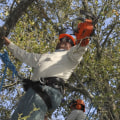
Tree removal rarely begins with a chainsaw cutting at the base. Long before a trunk is sectioned or equipment is staged, arborists make a series of pruning decisions that determine how safely, efficiently, and cleanly a tree will come down. These decisions are guided by the tree’s structure, surrounding environment, and the method of removal best suited to the site. Pruning is not simply preparatory work; it is the strategy that shapes the entire removal process, influencing everything from crew safety to property protection.
Assessing Structure and Load Distribution
The first pruning decisions focus on understanding how the tree carries weight. Branch size, angle, decay, and distribution all affect how the tree will respond once cutting begins. Removing certain limbs early can relieve stress points and reduce unpredictable movement. For tall or top-heavy trees, crown reduction through selective pruning lowers the center of gravity, making subsequent cuts more controlled. Poor pruning choices at this stage can shift loads dangerously, increasing the risk of limb swing or trunk failure during removal.
Managing Space and Surroundings
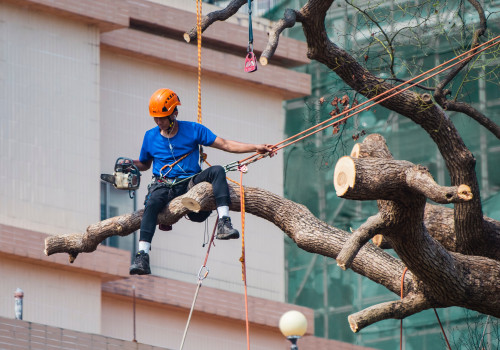
Pruning decisions are also dictated by what surrounds the tree. Nearby buildings, power lines, fences, and landscaping limit how sections can be lowered. In tight spaces, arborists often prune and remove branches incrementally, rigging them down with ropes to avoid damage. Each cut is planned to create clearance for the next step. The order in which limbs are pruned determines whether equipment can be positioned effectively and whether larger sections can be removed later without obstruction.
Controlling Direction and Movement
Every pruning cut influences how the remaining tree will move. Removing branches on one side changes balance and wind resistance. Arborists use this knowledge to their advantage, pruning in a way that guides the tree’s behavior as it is dismantled. This is especially critical when removing trees near structures or in urban environments. Strategic pruning reduces the likelihood of sudden shifts that could compromise safety. These decisions are less visible than the final felling but far more consequential.
Equipment Selection and Workflow
Pruning choices also affect what tools and techniques will be used throughout removal. A tree that is carefully pruned in stages may allow for climbing removal, while poor early decisions might force the use of heavier machinery. The pruning plan determines rope angles, anchor points, and drop zones. It also influences how debris is managed—whether branches are chipped immediately, stacked, or lowered intact. Efficient pruning creates a smooth workflow that minimizes downtime and reduces overall project cost.
Preparing for the Final Stages
As the tree is reduced, pruning transitions into preparation for trunk removal and cleanup. Decisions made earlier determine how accessible the remaining trunk will be and whether it can be safely felled in sections or must be pieced down. This directly affects what happens after the tree is gone. A well-planned removal leaves a manageable stump height and clear access for follow-up services like stump grinding in Manitowoc, WI, ensuring the site can be restored without additional complications.
Safety Is Rooted in Pruning Strategy
From a safety perspective, pruning decisions are the backbone of responsible tree removal. Each cut reduces or redistributes risk. Arborists anticipate how fibers will react, how gravity will act on each section, and how the tree’s condition may change as weight is removed. When pruning is rushed or poorly sequenced, hazards multiply. When it is deliberate and informed, removal becomes a controlled, predictable process.
Why These Decisions Matter
To an observer, tree removal may look straightforward once cutting begins, but the outcome is determined long before the final piece hits the ground. Pruning decisions dictate control, efficiency, and safety at every stage. They shape how a tree is dismantled, how the site is protected, and how smoothly the project concludes. In tree removal, pruning is not just preparation—it is the plan that makes everything else possible.