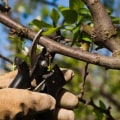
When homeowners think about maintaining outdoor property surfaces, they often focus on repairing cracks, improving drainage, or replacing aging concrete. However, one of the most overlooked factors affecting the condition of sidewalks, driveways, patios, and walkways is the health and maintenance of nearby trees. Trees provide beauty, shade, and environmental benefits, but without proper care, their roots and overhanging branches can gradually contribute to significant surface damage over time. Tree maintenance plays a critical role in protecting outdoor property surfaces because root growth, moisture absorption, falling debris, and shifting soil conditions all directly impact the stability of concrete and paved areas. Property owners who ignore tree maintenance may eventually face costly repairs caused by uneven pavement, cracked surfaces, drainage problems, or structural shifting around the property. Many landscaping and surface restoration professionals emphasize that healthy trees and durable outdoor surfaces must be managed together to preserve both the appearance and functionality of a property.
Tree Roots Can Cause Surface Movement Over Time
One of the most common ways trees affect outdoor surfaces is through expanding root systems beneath the ground. Tree roots naturally grow outward in search of water, nutrients, and oxygen, often extending much farther than the visible tree canopy. As roots thicken and spread beneath sidewalks, driveways, and patios, they can slowly lift and shift concrete slabs, creating cracks and uneven surfaces. This type of movement is especially common with mature trees planted too close to paved areas. Without regular tree maintenance and monitoring, roots may continue expanding unchecked until the damage becomes severe enough to create safety hazards or expensive structural problems. In addition to lifting concrete, large root systems can alter soil stability beneath paved surfaces, causing settling or drainage issues that worsen over time. Arborists and property maintenance professionals often recommend proactive root management and pruning strategies to help reduce pressure on surrounding surfaces while still preserving tree health.
Branch Debris and Moisture Also Affect Surface Durability
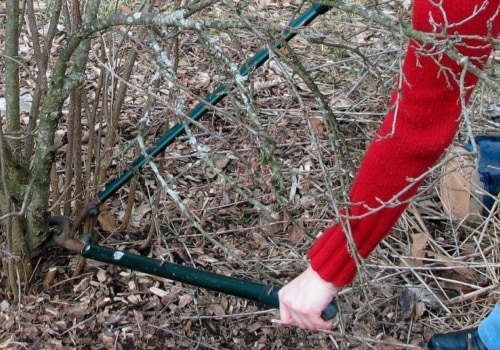
Tree maintenance is important not only below the ground but above it as well. Overgrown branches can contribute to outdoor surface deterioration in several ways. Falling leaves, twigs, seed pods, and branches often collect on driveways and patios, trapping moisture against concrete surfaces and encouraging staining, moss growth, or surface weakening. Excessive shade from dense tree canopies may also prevent surfaces from drying properly after rain, increasing the likelihood of slippery conditions, algae buildup, or moisture-related cracking during colder seasons. Companies involved in exterior surface restoration, including Concrete Revival, frequently encounter damage linked to long-term moisture exposure caused by neglected landscaping and tree overgrowth. Routine trimming and seasonal tree care can help improve sunlight exposure, support proper drainage, and reduce the amount of debris accumulating on outdoor surfaces throughout the year. These preventative measures can extend the lifespan of concrete and reduce the need for premature repairs or resurfacing projects.
A Balanced Approach Protects Both Trees and Property
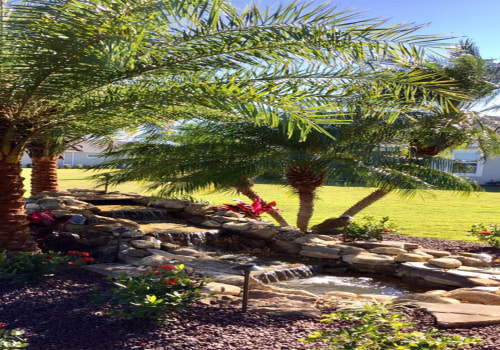
Maintaining healthy trees while protecting outdoor property surfaces requires careful planning and consistent upkeep. Rather than viewing trees as a problem, many property owners now recognize that proper tree maintenance allows landscaping and hardscaping to coexist more successfully. Routine inspections by arborists can identify aggressive root growth before major damage occurs, while surface professionals can recommend repair strategies that minimize disruption to nearby trees. In some cases, adjusting drainage systems, adding root barriers, or redesigning sections of pavement can help reduce future conflicts between root systems and outdoor surfaces. Regular tree trimming, root monitoring, and debris removal all contribute to preserving the condition of patios, sidewalks, and driveways over time. By investing in both landscape care and surface maintenance, homeowners can protect their property’s structural integrity, improve curb appeal, and create a safer, more attractive outdoor environment for years to come.