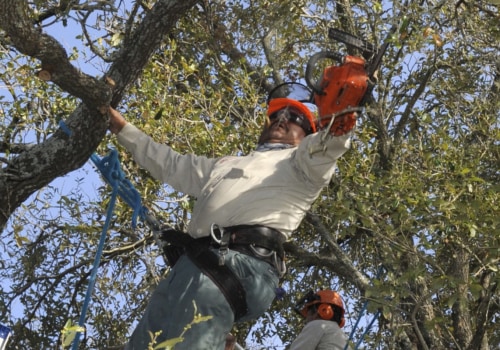
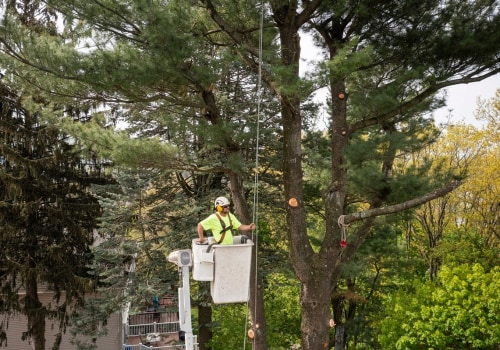
Regular pruning is an essential practice for maintaining both the health of trees and the safety of nearby electrical infrastructure. As trees grow, their branches can extend toward overhead power lines, outdoor lighting, and utility connections, increasing the risk of interference. When branches come into contact with electrical lines, they can cause power outages, sparks, or even fires, especially during storms or high winds. By keeping trees properly trimmed, homeowners can significantly reduce these risks while ensuring that electrical systems continue to operate without disruption.
Preventing Physical Contact and System Damage
One of the primary benefits of regular pruning is preventing direct contact between tree branches and electrical components. Overgrown limbs can rub against wires, gradually wearing down insulation and exposing live currents. In severe cases, falling branches can damage lines or equipment, leading to costly repairs and potential safety hazards. Maintaining proper clearance through routine trimming helps protect both the trees and the electrical infrastructure. Homeowners investing in upgrades such as whole house surge protection in Frisco can further benefit from keeping surrounding vegetation under control, as it minimizes the chances of external factors compromising system reliability.
Supporting Tree Health While Protecting Infrastructure
Pruning is not only about removing excess growth—it also supports the overall health and stability of trees. By eliminating dead or weak branches, homeowners can reduce the likelihood of breakage during adverse weather conditions. Healthy trees are more resilient and less likely to pose a threat to nearby electrical systems. Additionally, controlled growth patterns help ensure that trees develop in a way that avoids interference with infrastructure. This balanced approach allows trees to thrive while maintaining a safe distance from electrical components.
Enhancing Accessibility for Maintenance and Repairs
Keeping trees properly pruned also improves access to electrical equipment for maintenance and repairs. Overgrown vegetation can obstruct technicians, making it difficult to inspect or service wiring, panels, and outdoor fixtures. Clear access ensures that professionals can perform their work efficiently and safely, reducing the time and cost associated with maintenance. Regular pruning, combined with routine inspections, helps identify potential issues early and ensures that both tree care and electrical systems remain in optimal condition.
Long-Term Benefits of Consistent Pruning Practices
Adopting consistent pruning practices offers significant long-term benefits for homeowners. By preventing damage, improving accessibility, and supporting tree health, regular maintenance helps extend the lifespan of both trees and electrical systems. This proactive approach reduces the likelihood of unexpected outages and costly repairs, contributing to a more reliable and safe home environment. Over time, a well-maintained landscape enhances property value and creates a harmonious balance between natural elements and essential infrastructure. Ultimately, regular pruning is a simple yet effective strategy for protecting electrical systems while preserving the beauty and health of the surrounding environment.